The journey of a cement grain
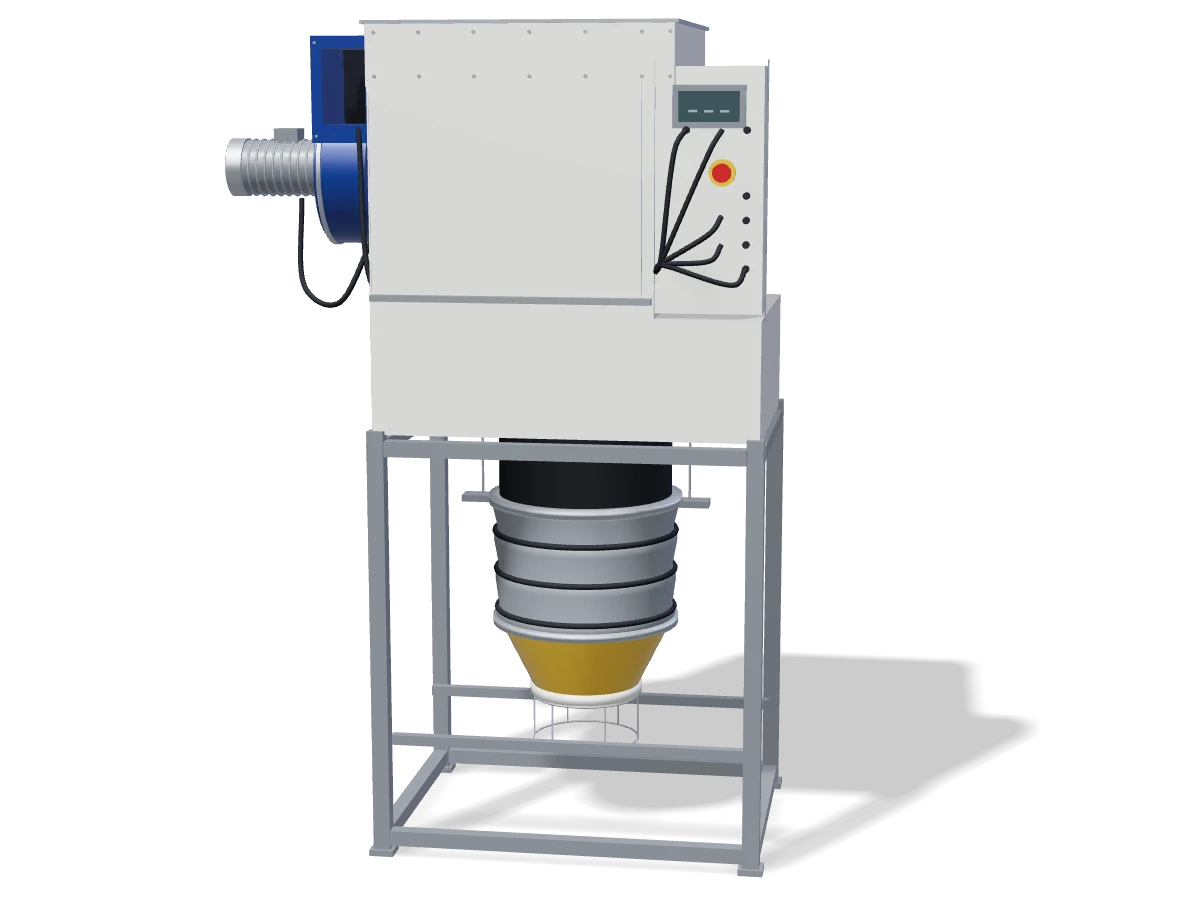
The parts cement passes through, from bulk tanker to weigh hopper. Scroll to follow the line.
From tanker to silo
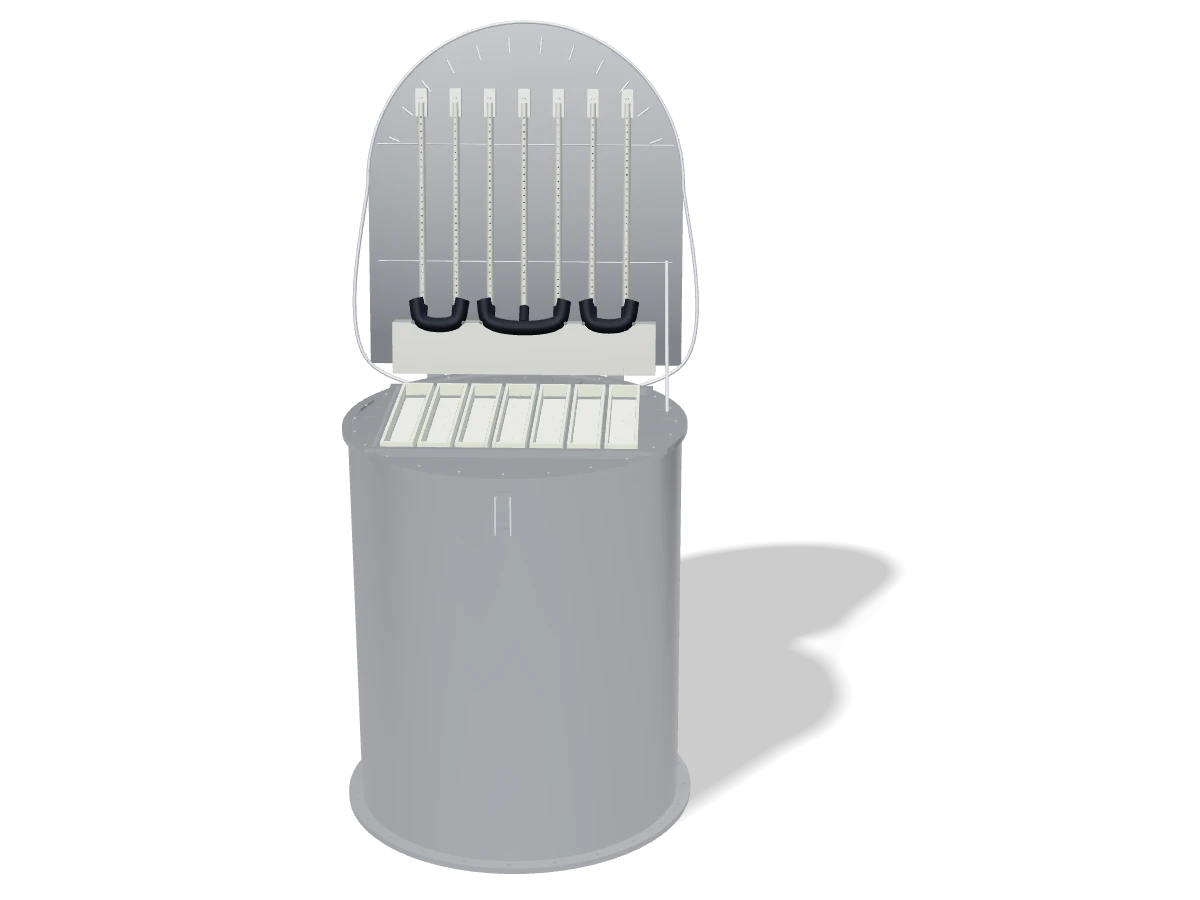
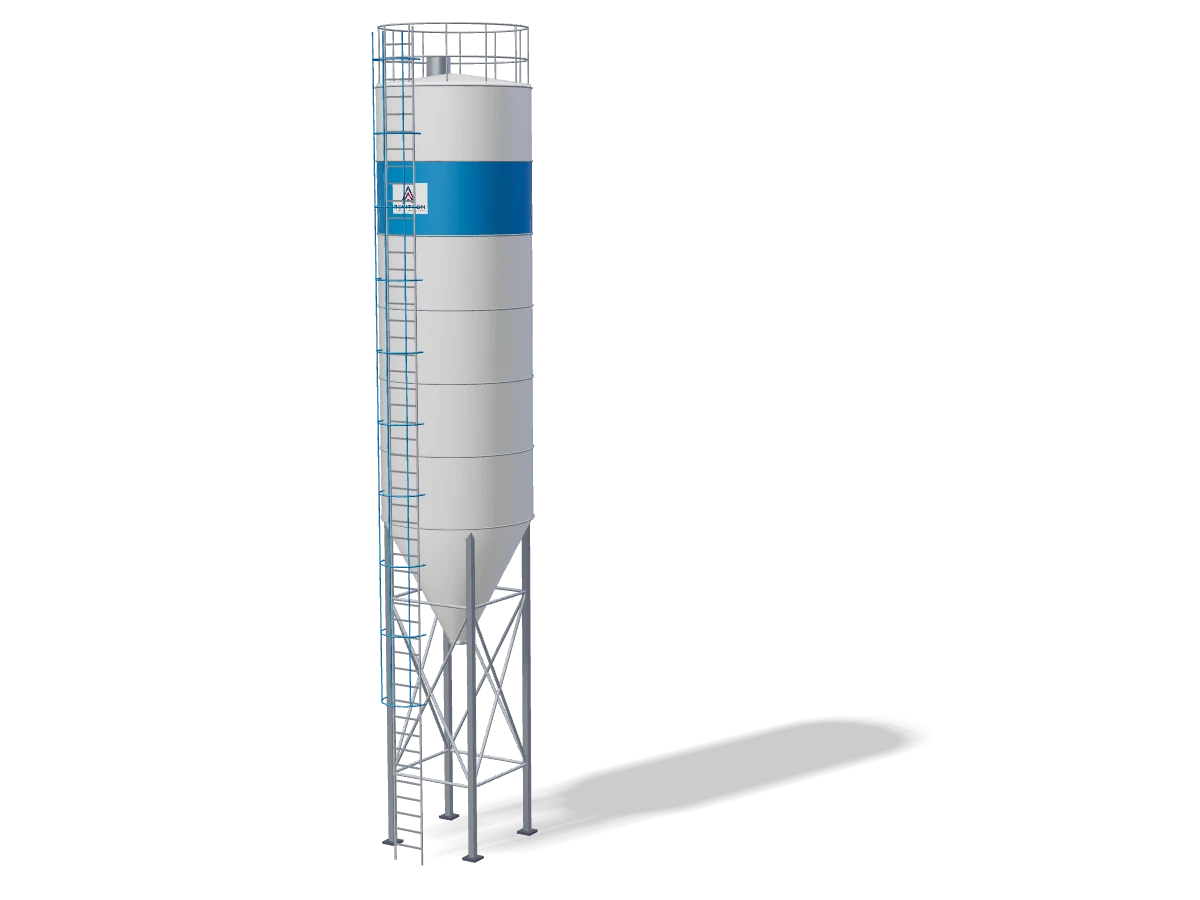
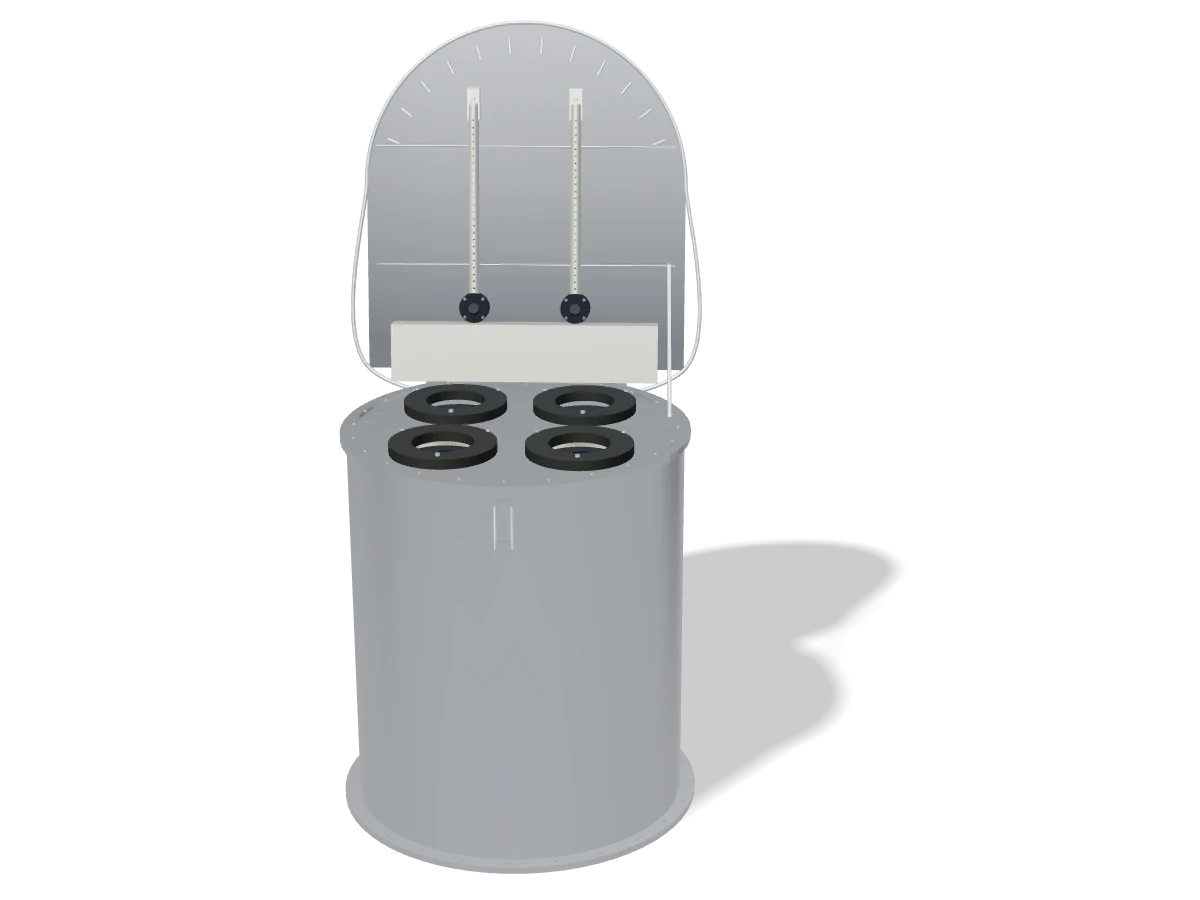
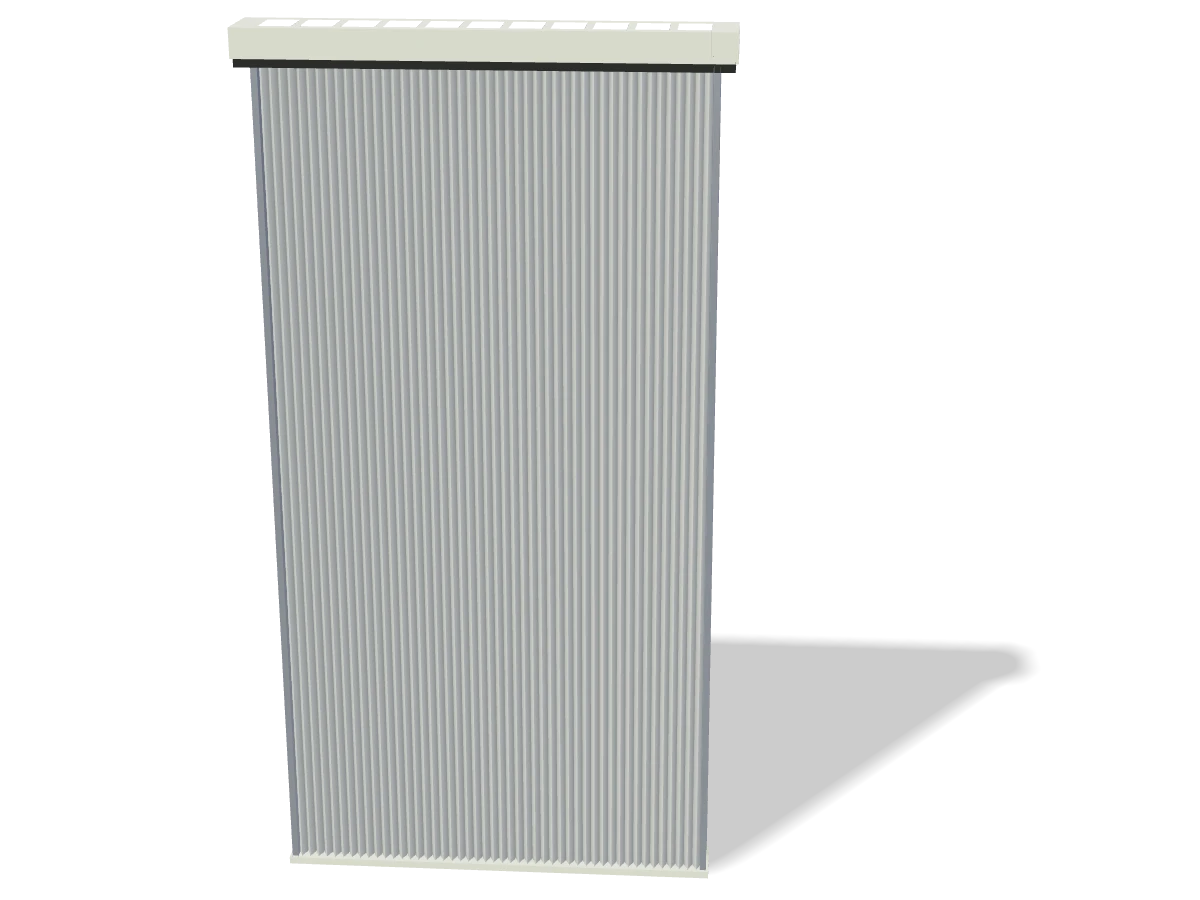
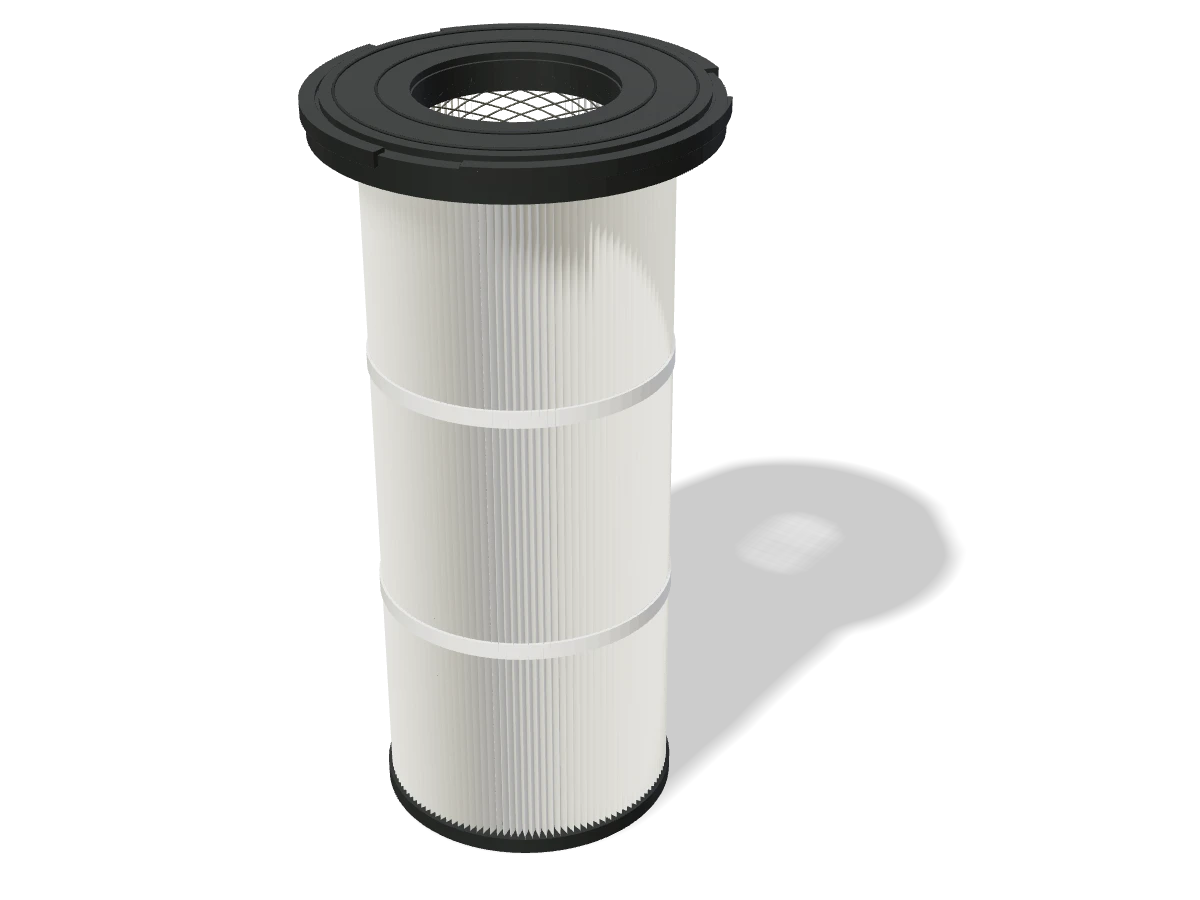
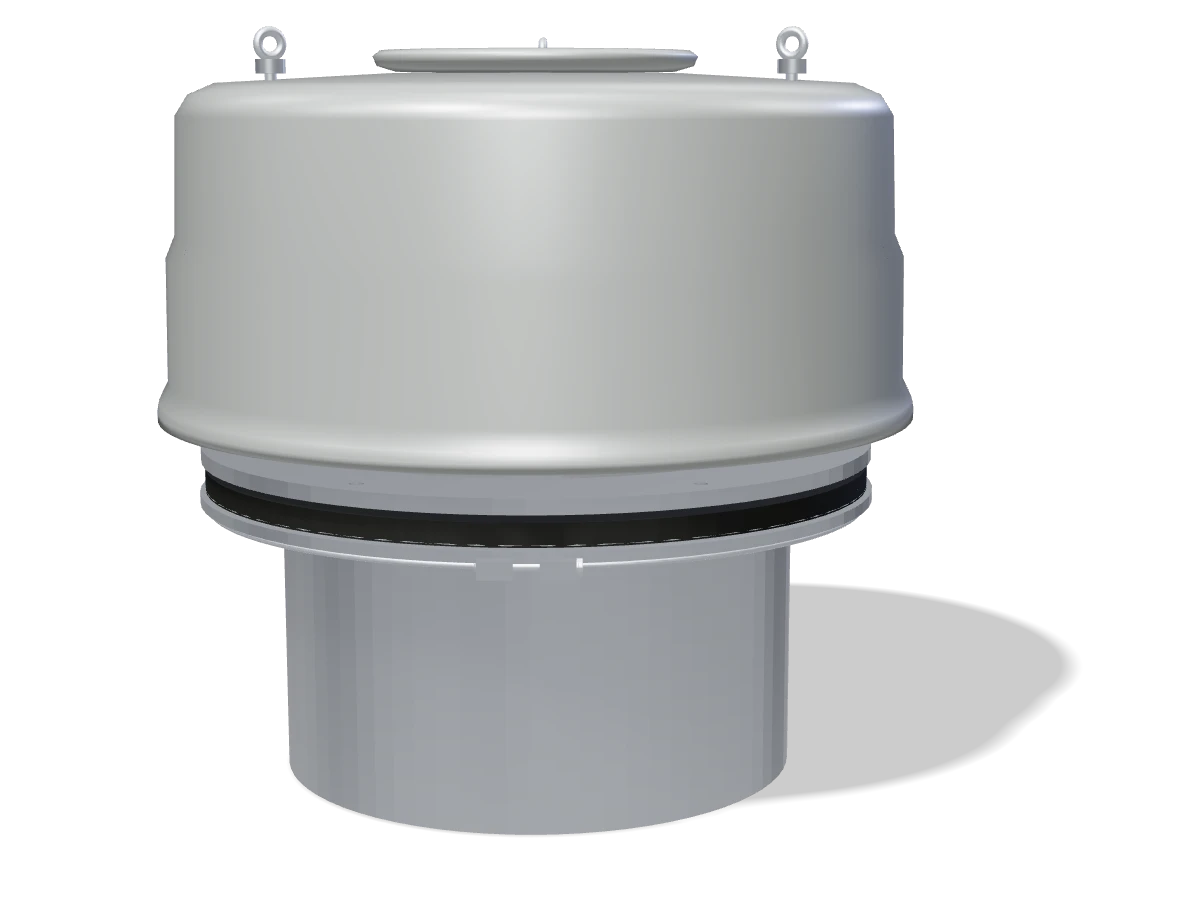
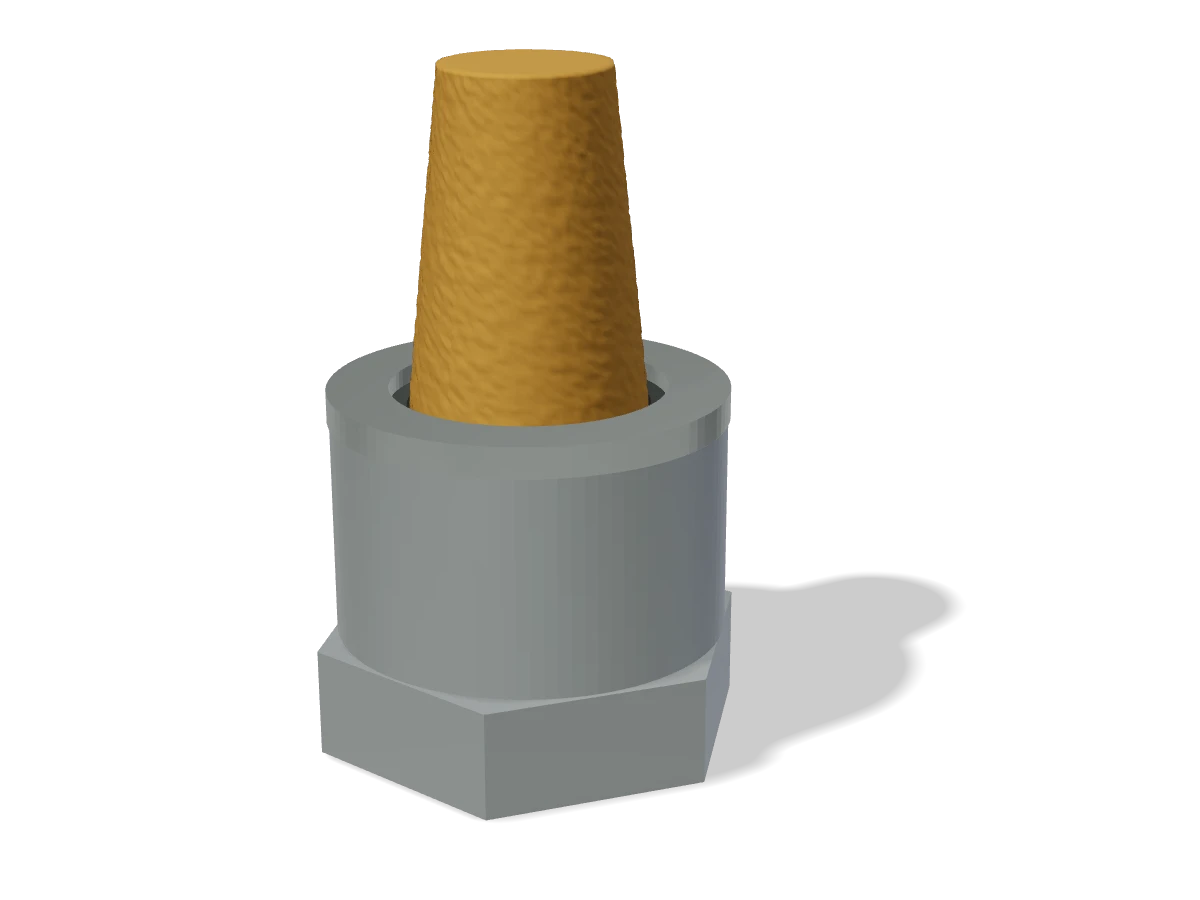
Cement is blown from the bulk tanker into the silo with compressed air. The silo top filter cleans the dusty air and returns the dust to the silo; if pressure rises, the relief valve protects the shell.
7-Cartridge Silo Top Filter4-Cartridge Silo Top FilterPressure Relief Valve
How full is it?
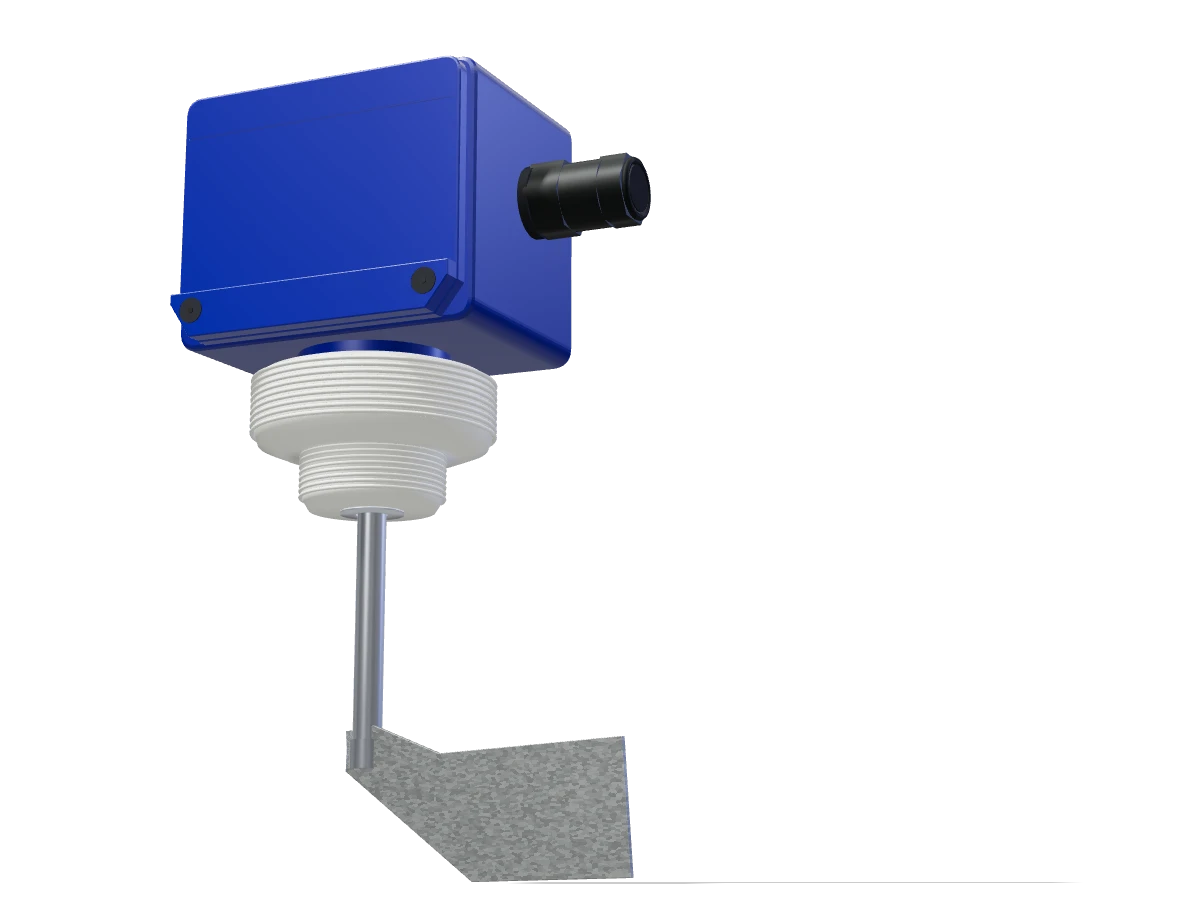
Level indicators prevent overfilling at the top and running empty at the bottom, and report full and empty to the automation system.
Silo Level Indicator
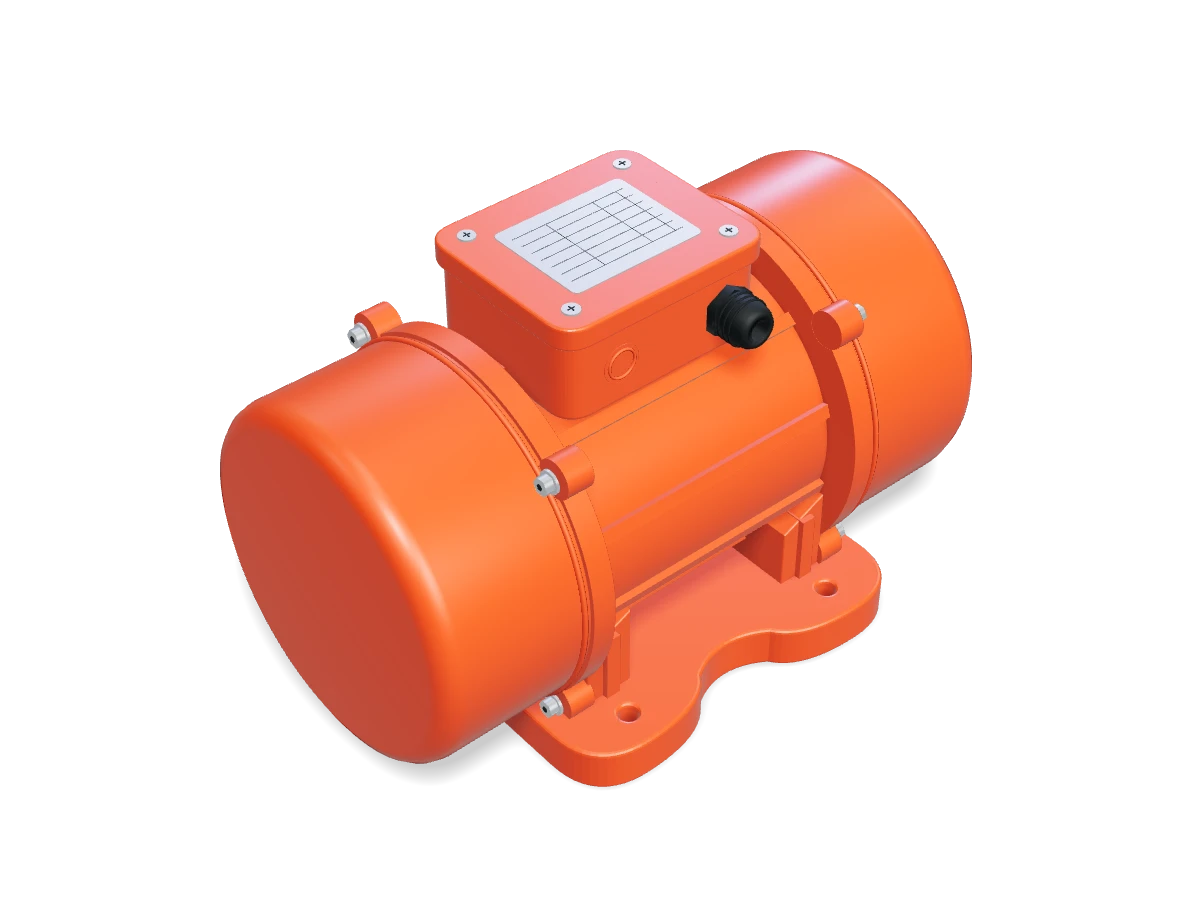
Flow in the cone
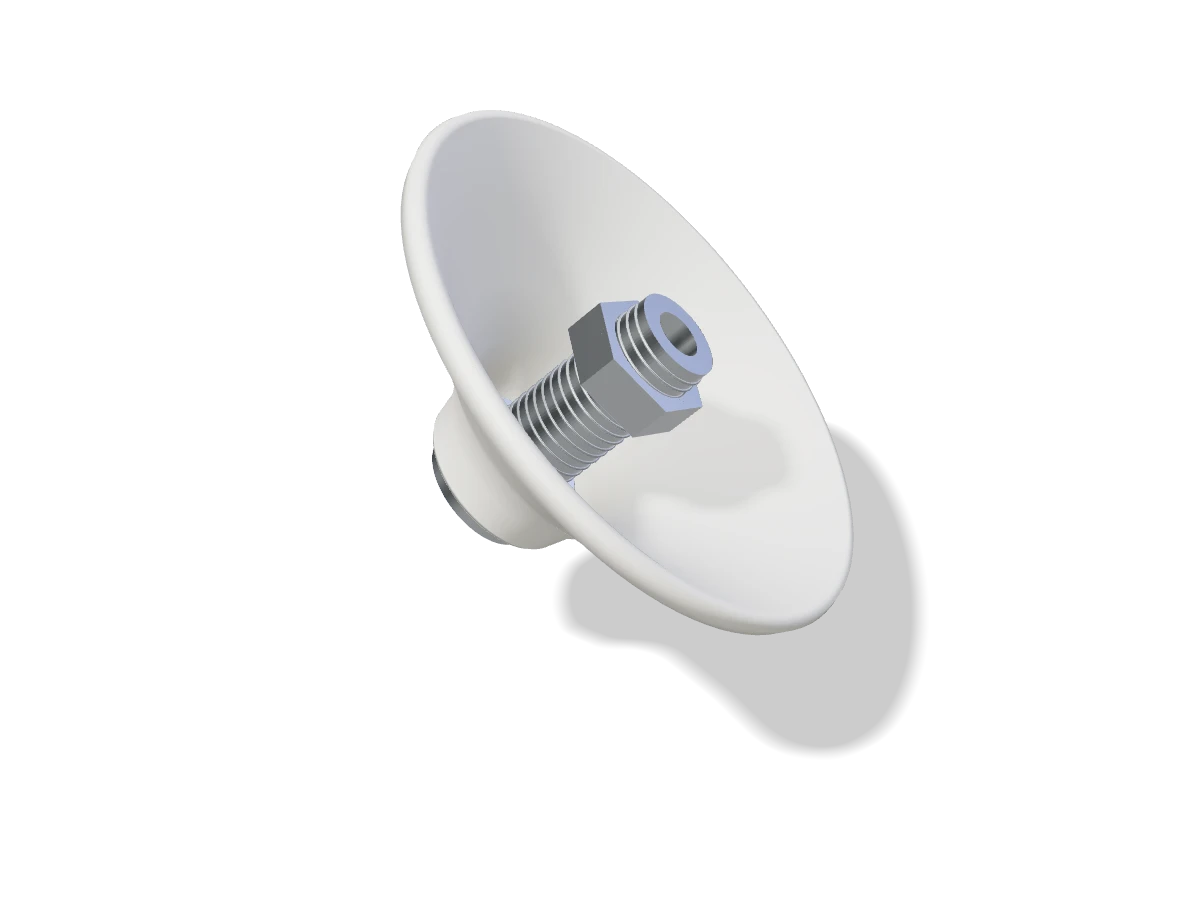
Aeration jets and pads in the cone stop cement from bridging and sticking to the wall.
Aeration JetAeration Pad
Control at the outlet
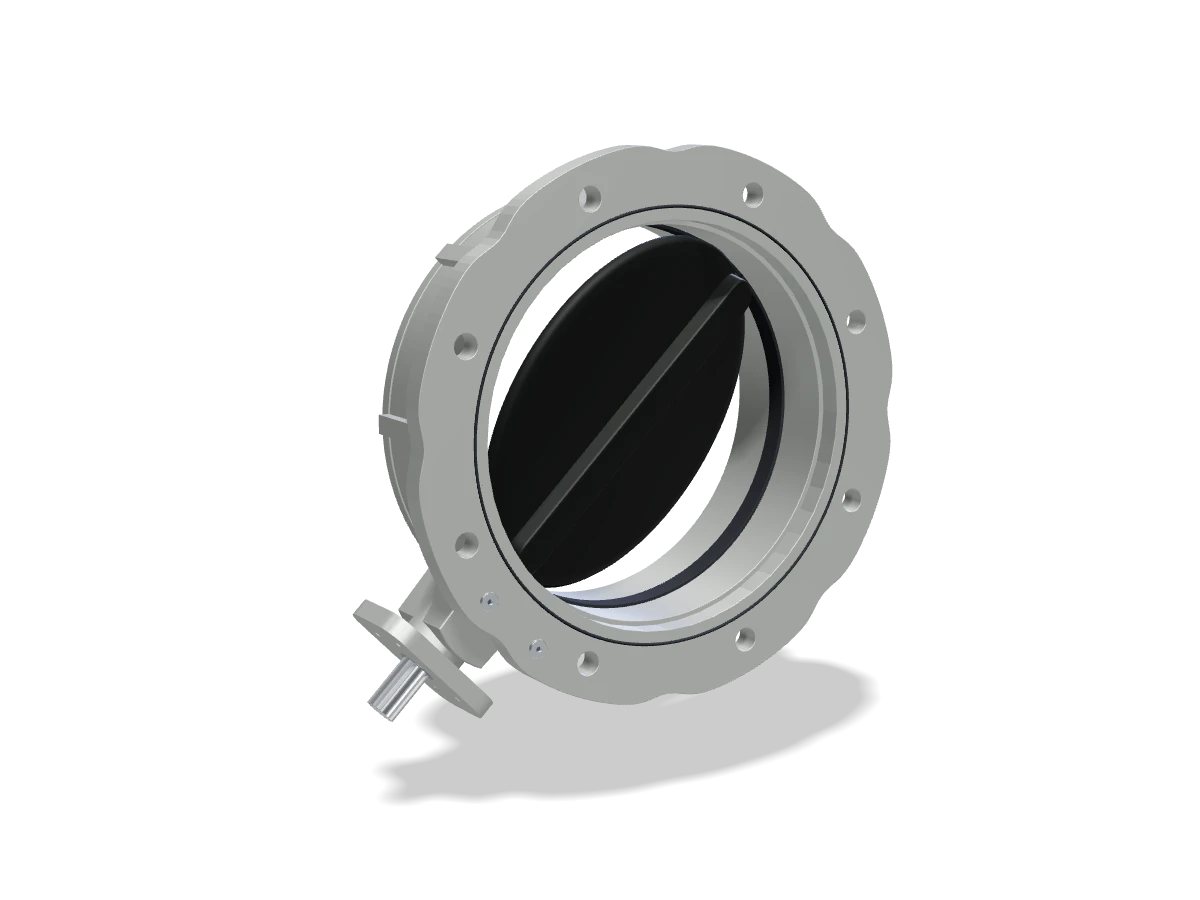
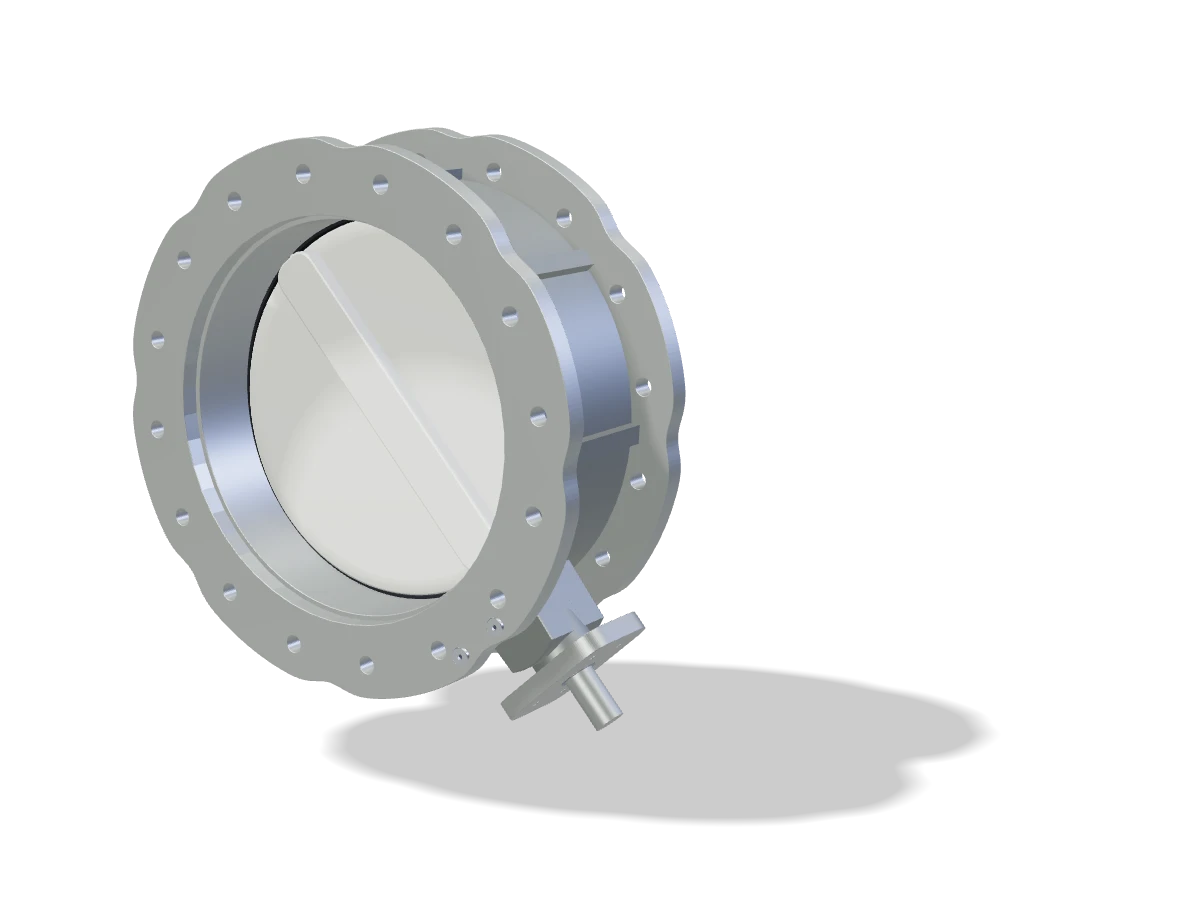
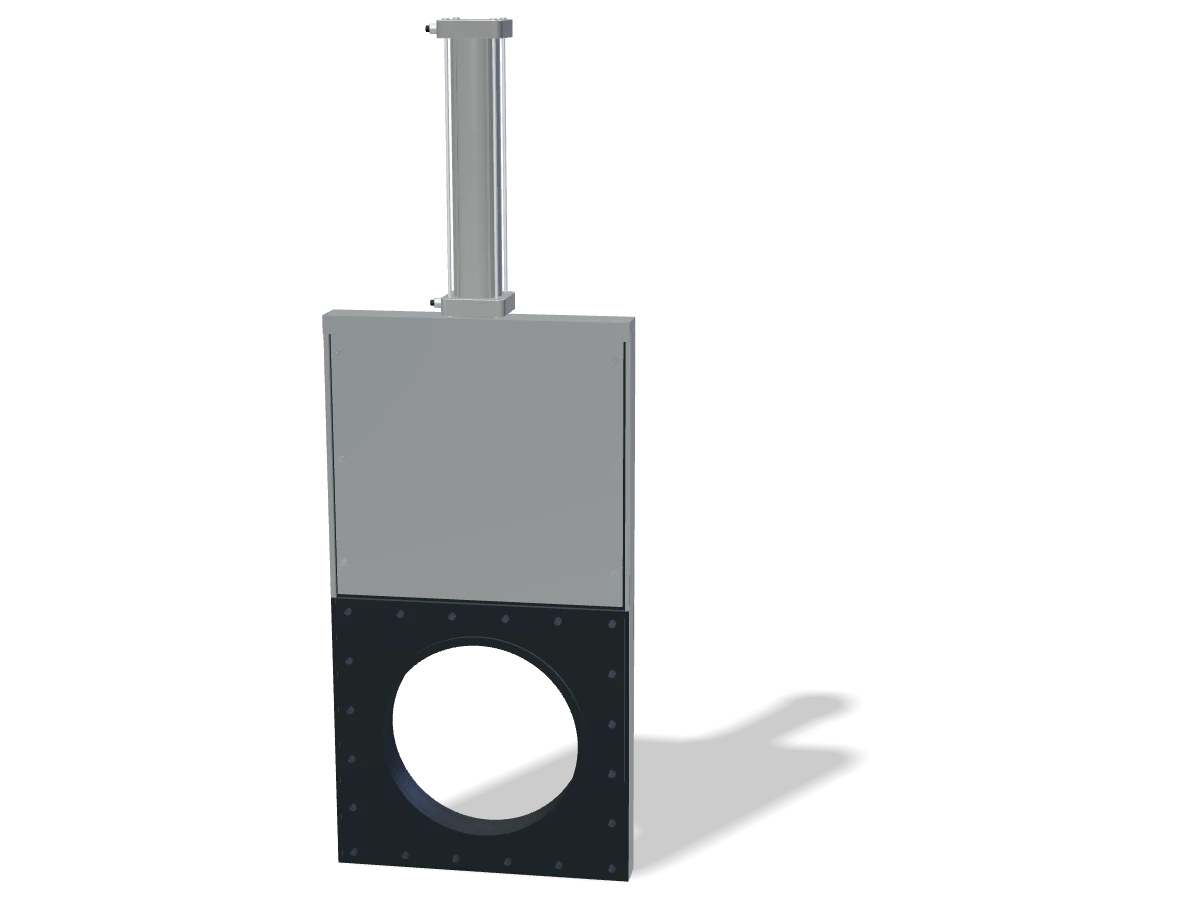
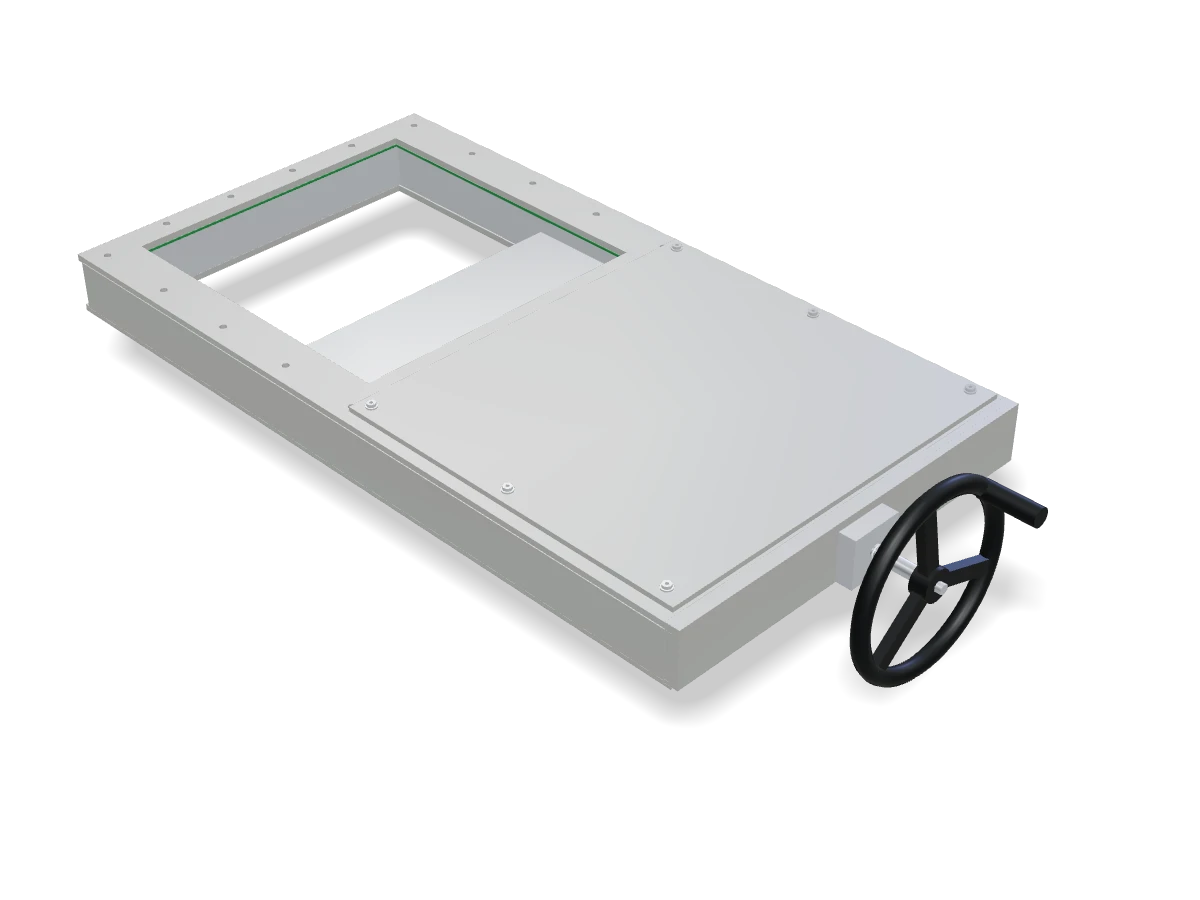
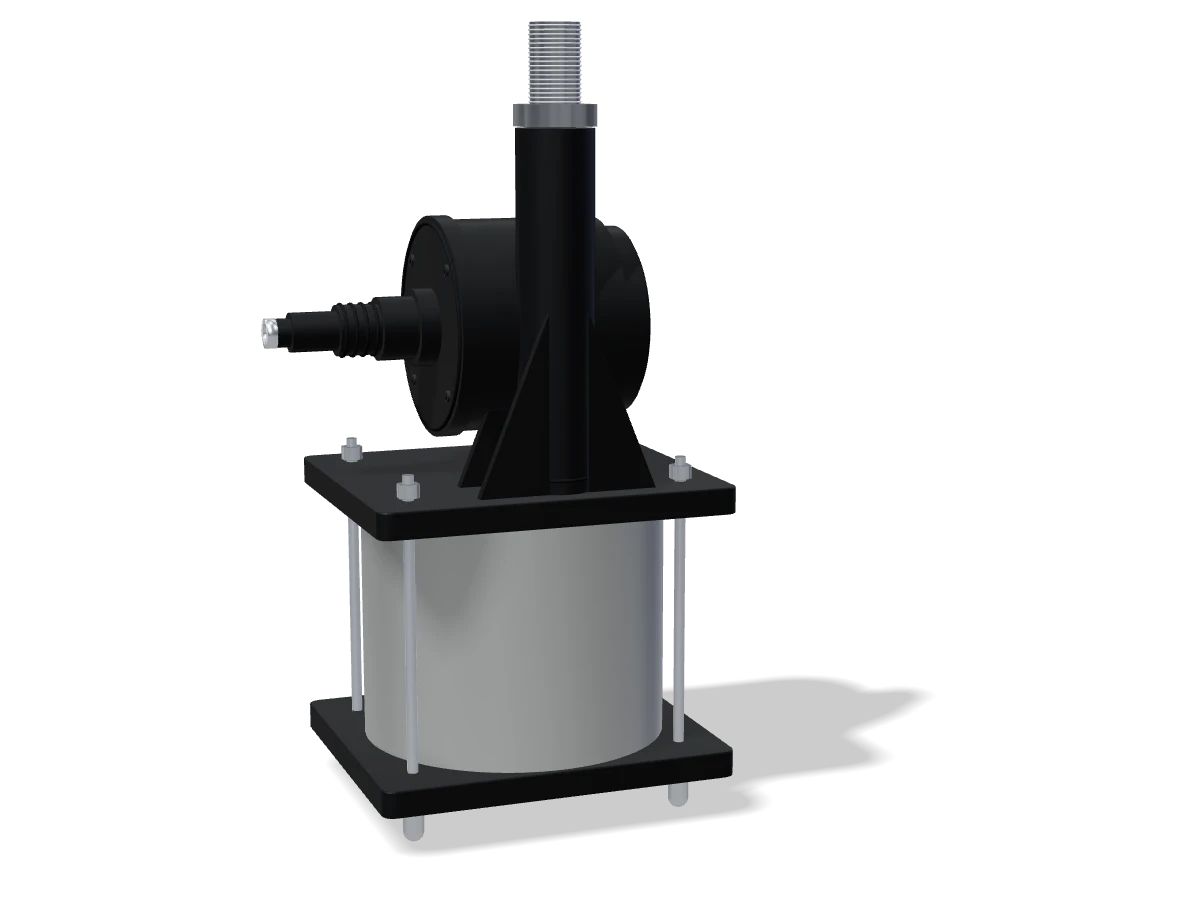
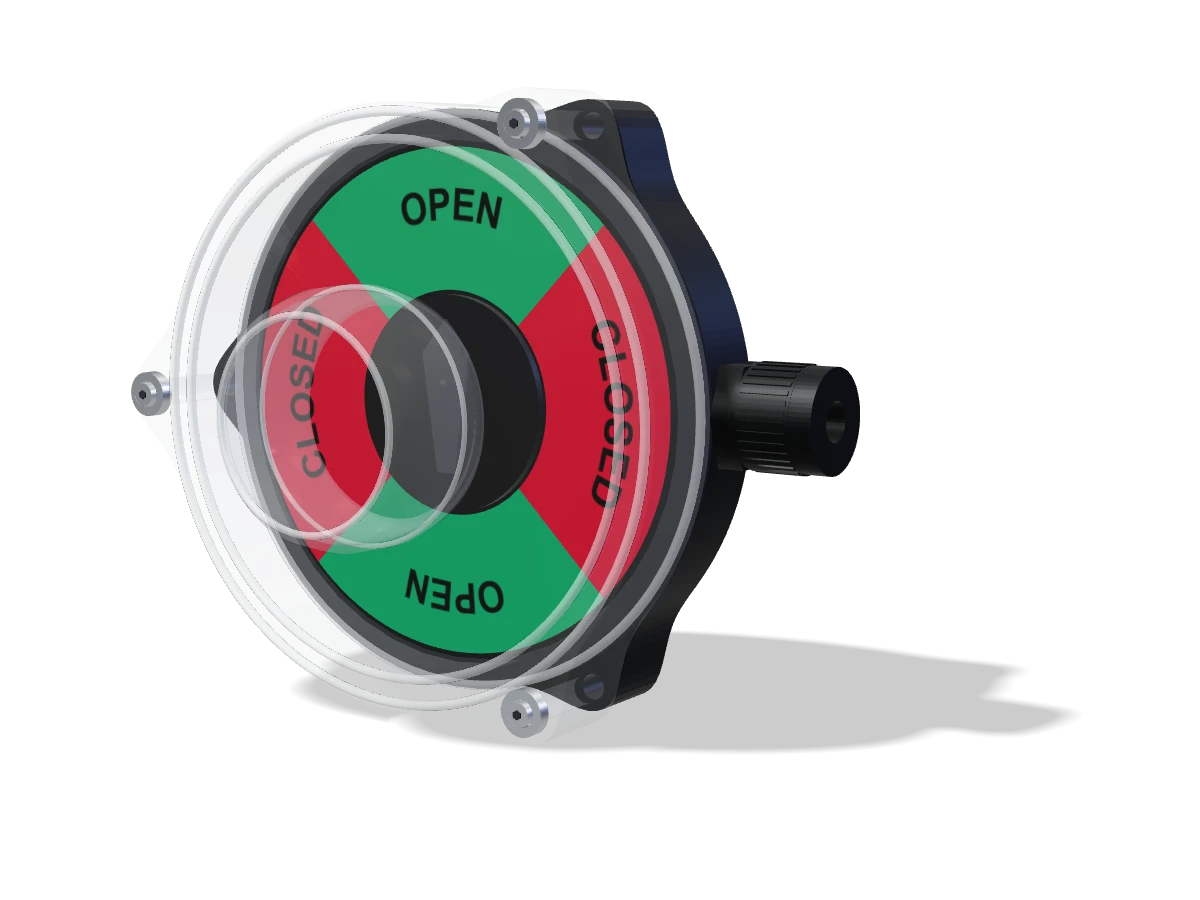
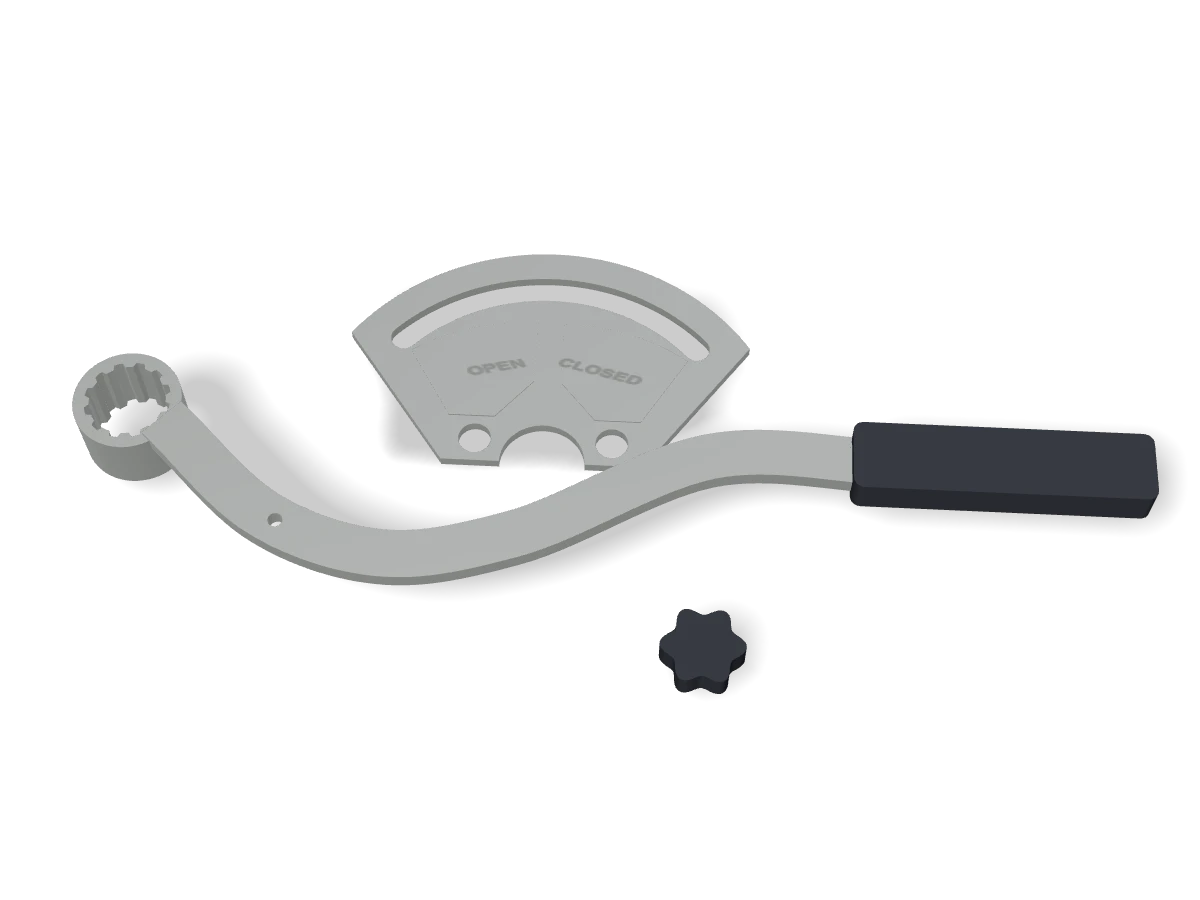
Butterfly valves start and stop the flow. Single- and double-flanged versions are available. The CP101 actuator operates the valve pneumatically; the Mic 23 switch reports its position. A manual lever can also be used.
Single-Flanged Butterfly ValveDouble-Flanged Butterfly ValveCP101 ActuatorMic 23 SwitchManual Lever
Flexible connection
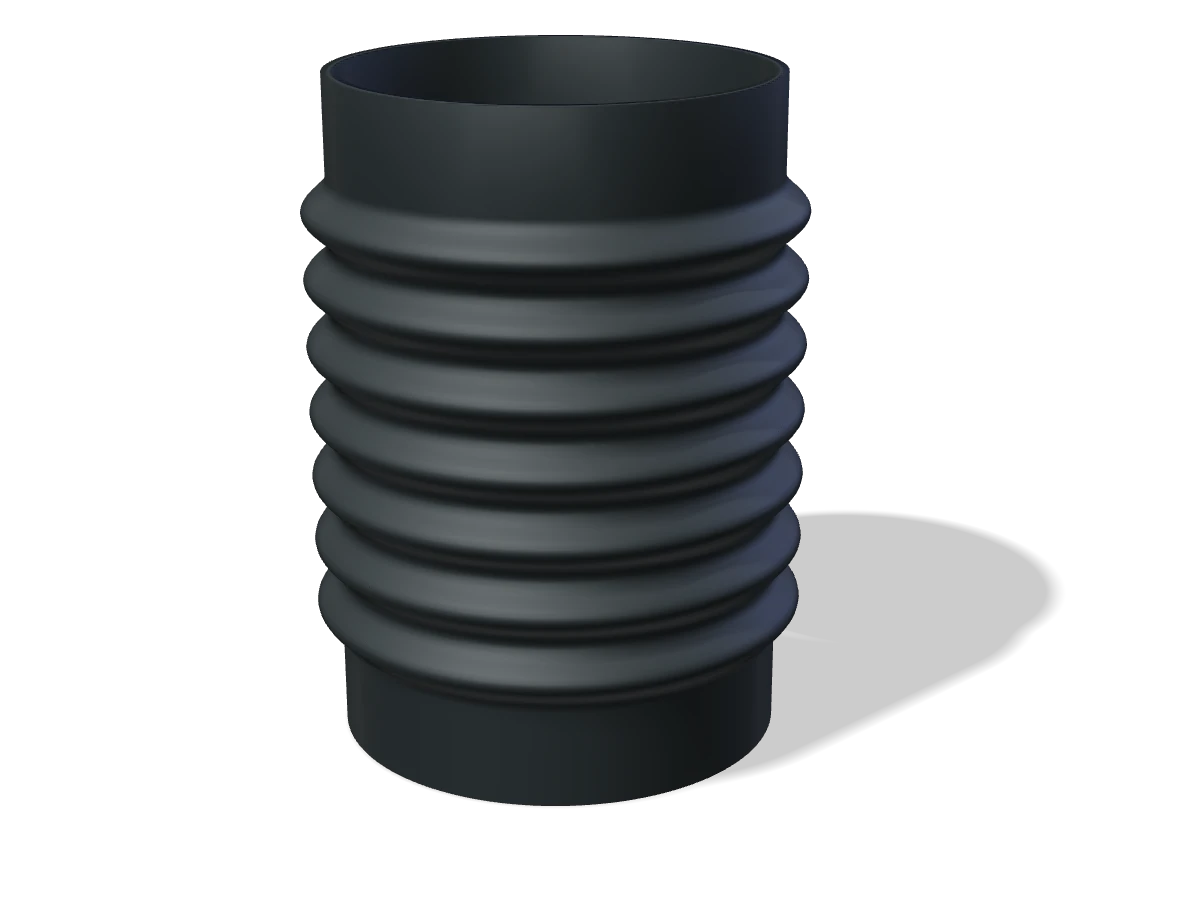
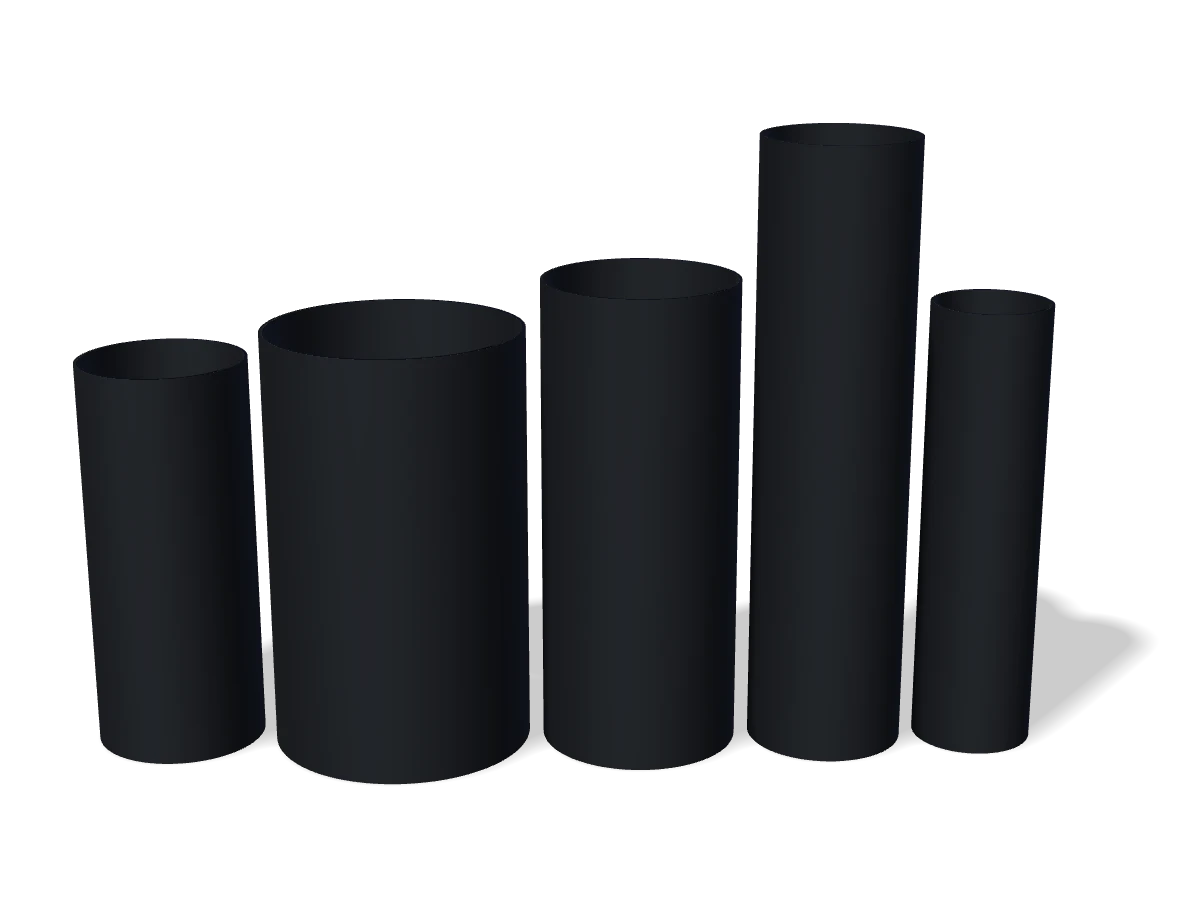
Bellows and screw conveyor and chute rubber sleeves provide flexible, sealed connections. We select the part to suit the connection dimensions and application.
Flexible BellowsConveyor & Chute Rubber Sleeves
On the way to weighing
The cement screw carries the material up an inclined line to the weigh hopper, where it is weighed according to the recipe.
Cement Screw ConveyorTubular Screw Conveyor